
How To Spot Roof Damage After a Storm
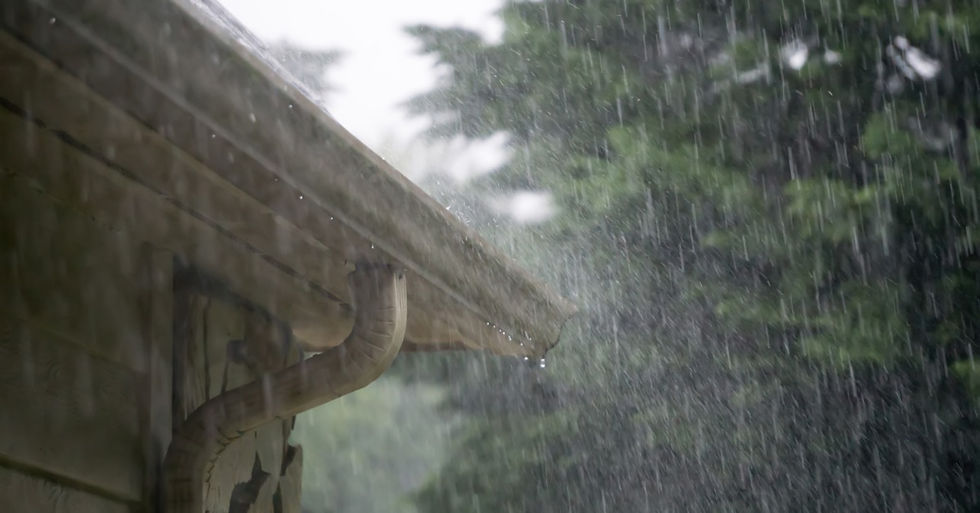
Severe weather can take a serious toll on a home’s exterior, especially the roof. Storms with heavy rain and wind can send debris flying and create damage to your home that may not be obvious at first glance.
Homeowners who understand how to spot roof damage after a storm can stop small issues from turning into expensive repairs. A careful inspection after every storm helps protect both the structure and the home's long-term value.
Check for Missing or Damaged Shingles
Shingles serve as the first line of defense against the elements, so they often show the earliest signs of damage. High winds can lift, crack, or completely remove shingles from the roof surface. Even a few missing shingles can expose the underlayment and lead to leaks. A visual inspection from the ground can often reveal uneven patches or areas that look out of place.
Damaged shingles may curl, blister, or appear discolored after a storm. These changes weaken their ability to protect the roof from moisture. Homeowners should look for shingles that appear loose or out of alignment. Any visible irregularity usually signals the need for a closer inspection or professional evaluation.
Look for Granule Loss in Gutters
Asphalt shingles contain granules that protect against UV rays and improve durability. After a storm, these granules often wash into gutters and downspouts. Finding excessive granules in these areas can indicate that the shingles have experienced significant wear. This type of damage shortens the lifespan of the roofing system.
Granule loss often appears as a sand-like accumulation in gutters or near downspout exits. While some granule shedding occurs naturally over time, heavy buildup after a storm signals concern. Homeowners should check gutters safely from ground level whenever possible.
Inspect for Leaks and Water Stains Indoors
Roof damage does not always stay visible on the exterior of the home. A small opening can allow water to infiltrate the attic or the ceilings before it becomes noticeable. Stains on ceilings or walls often indicate that moisture has entered the home. You should never ignore these signs, even if they seem minor.
Homeowners should check the attic for damp insulation or visible water trails. A musty smell can also signal hidden moisture problems. Addressing leaks early prevents mold growth and structural weakening. Indoor inspection provides a critical layer of protection after any major storm.

Examine Flashing Around Roof Features
Flashing protects vulnerable areas such as chimneys, vents, and skylights. Strong winds and heavy rain can loosen or bend flashing, allowing water to seep through gaps. Damaged flashing often leads to leaks in areas that otherwise appear intact. Careful observation around these features can reveal subtle issues.
Metal flashing may show signs of rust, separation, or warping after a storm. Even small gaps can compromise the roof’s waterproofing system. Homeowners should look for lifted edges or missing sections. Any irregularity in these areas requires prompt attention to prevent further damage.
Check for Debris Impact Damage
Storms often bring debris such as branches, leaves, and other airborne objects. These materials can strike the roof with enough force to cause dents or punctures. Even small impacts can weaken roofing materials over time. A thorough inspection helps identify these less obvious forms of damage.
Homeowners should look for visible dents or areas where debris has collected. Fallen branches may leave behind scratches or broken shingles. Removing debris quickly helps prevent additional stress on the roof. Regular cleanup also improves drainage and reduces moisture buildup.
Identify Signs of Hail Damage
Hailstorms can create unique types of roof damage that differ from wind-related issues. Hail impacts often leave small, round indentations on shingles. These marks can be difficult to see without close inspection. However, they can significantly reduce the roof’s protective capabilities.
Hail damage may also cause granules to dislodge, exposing the underlying material. This exposure increases the risk of leaks and premature aging. Homeowners should inspect metal components as well, since dents often appear more clearly on these surfaces. Identifying hail damage early allows for timely repairs and insurance claims.
Evaluate the Condition of Gutters and Downspouts
Gutters play an essential role in directing water away from the home. Storm damage can cause gutters to sag, detach, or become clogged. Improper drainage increases the risk of water pooling on the roof. This pooling can lead to leaks and structural damage over time.
Homeowners should check for visible separation between gutters and the roofline. Downspouts should remain securely attached and free of obstructions. Any misalignment or blockage should be addressed immediately. Maintaining proper drainage supports the overall health of the roofing system.

Warning Signs That Require Immediate Attention
Some forms of roof damage require urgent action to prevent further issues. Recognizing these warning signs helps homeowners respond quickly and effectively. Ignoring serious damage can lead to higher repair costs and more extensive structural problems. The following indicators suggest the need for immediate professional evaluation:
Large sections of missing shingles
Active leaks or dripping water indoors
Sagging areas on the roof surface
Significant debris impact or punctures
Loose or detached flashing around roof features
These signs often point to structural concerns that go beyond surface-level damage. Addressing them promptly helps protect both the home and its occupants. Professional inspection ensures that no hidden issues remain undetected. Taking action early reduces long-term repair expenses.
Understand When to Call a Professional
While homeowners can perform basic visual inspections, some damage requires expert evaluation. Roofing professionals have the tools and experience needed to assess hidden issues. They can identify problems that may not be visible from the ground. Scheduling an inspection after a severe storm provides peace of mind.
Experienced contractors also understand how different materials respond to storm damage. Homeowners searching for roofers near Boise can benefit from working with a trusted local team, such as Treasure Valley Exteriors.
Treasure Valley Exteriors focuses on helping homeowners understand their options and make confident decisions. Whether the damage appears minor or severe, our professional inspection provides clarity and direction for your next steps. Homeowners who act quickly protect both their investment and their peace of mind.
Prevent Future Roof Damage
Preventative maintenance plays a key role in protecting a roof from storm damage. Regular inspections help identify weak points before severe weather strikes. Keeping gutters clean and trimming nearby trees reduces the risk of debris impacting them. These simple steps can extend the lifespan of the roofing system.
Homeowners should also consider upgrading materials if the roof shows signs of aging. Modern roofing products offer improved durability and weather resistance. Working with a knowledgeable contractor helps determine the best options for each home. Proactive care reduces the likelihood of costly repairs in the future.
Protect Your Home With Prompt Action
Storm damage can compromise a roof in ways that are not always immediately visible. Taking the time to learn how to spot roof damage after a storm helps homeowners catch issues early. Staying informed and proactive remains the best defense against weather-related damage.
Scheduling an inspection with Treasure Valley Exteriors after a storm to ensure the roof continues to perform at its best. If we find damage, you can schedule service to repair it and keep your home safe.


Comments