
Common Exterior Painting Mistakes Homeowners Make
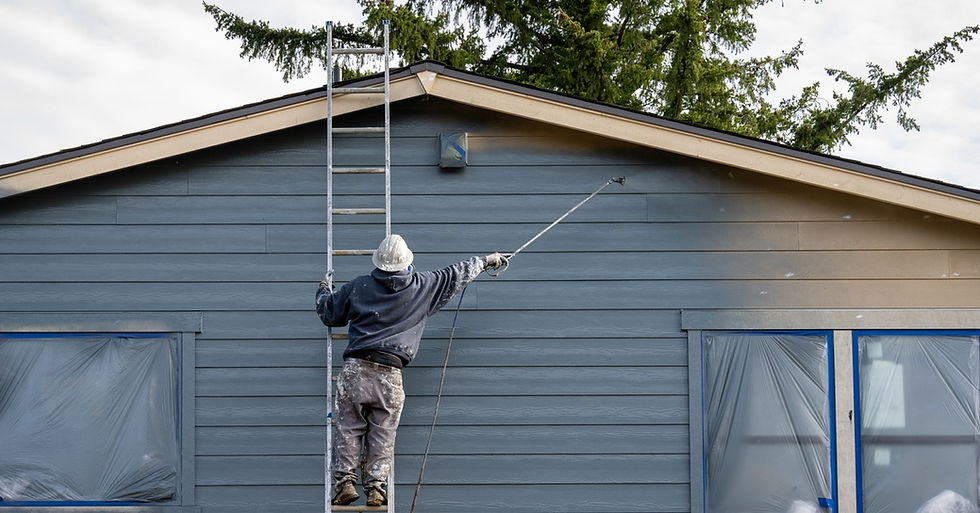
A fresh coat of exterior paint can completely change how a home looks, but lasting results require more than choosing a great color. With Idaho's severe weather, homeowners must prepare their property’s exterior to avoid painting issues. Small mistakes during the process can lead to peeling, fading, cracking, or uneven coverage much sooner than expected.
Homeowners who understand common exterior painting mistakes can make better decisions before starting a project. Careful preparation and attention to conditions often make the difference between paint that looks great for years and a finish that needs early repairs.
Skipping Proper Surface Preparation
One of the most common exterior painting mistakes happens before anyone opens a paint can. Paint needs a clean, stable surface to bond strongly, so painting over dirty or loose material can shorten the finish's life. Even premium paint cannot compensate for poor preparation underneath it.
Preparation may involve washing siding, scraping loose paint, sanding rough areas, and addressing damaged sections. Homeowners should also allow cleaned surfaces enough time to dry before moving forward. Rushing through these early steps can create adhesion problems that become noticeable after exposure to changing weather.
Painting Over Damaged Exterior Materials
Paint can improve appearance and add protection, but it cannot repair underlying structural or material problems. Painting over rotted wood, deteriorated siding, cracks, or moisture damage only provides temporary coverage. In many cases, the damaged area will continue deteriorating underneath the new finish.
Homeowners should inspect the exterior closely before beginning any painting project. Soft wood and areas that repeatedly hold moisture deserve attention first. Repairing these problems creates a stronger surface for paint and helps homeowners address issues that could otherwise cost more.
Ignoring Idaho Weather Conditions
Exterior painting depends heavily on the weather, especially in a climate with hot summers, cold winters, and significant temperature swings. Paint needs suitable temperatures and dry conditions to apply and cure properly. Starting a project just because the calendar says summer can lead to disappointing results if daily conditions don't cooperate.
Direct sunlight can also cause paint to dry too quickly on hot surfaces, which may affect the finish. Rain, excessive moisture, or cold temperatures can also interfere with proper adhesion and curing. Experienced exterior painters in Eagle, ID can plan work around local conditions and product requirements instead of relying on a general seasonal assumption.

Choosing the Wrong Type of Exterior Paint
Not every paint works well on every part of a home's exterior. Different siding, trim, masonry, and other surfaces may require specific coatings or preparation methods. Choosing paint mainly for price or color can create problems if the product doesn't match the material underneath.
Quality also matters because exterior paint must withstand seasonal temperature swings. The right product provides more than color; it contributes to the home's protective exterior barrier.
Before purchasing materials, homeowners should consider several important factors:
Compatibility with the existing exterior material
Resistance to fading and changing weather
Appropriate sheen for the specific surface
Manufacturer preparation and application requirements
Expected durability and maintenance needs
Taking time to match the coating to the project can prevent premature wear. It can also reduce the likelihood of repeating the entire painting process sooner than expected.
Forgetting To Use Primer When Needed
Primer does not play the same role as finish paint, and skipping it can cause trouble on certain surfaces. Bare wood, repaired areas, stains, and major color changes may require primer to create a consistent foundation. Primer improves adhesion and helps the finish coat cover the surface more evenly.
However, homeowners should not assume that every project needs the same priming process. Some modern paint systems have specific requirements based on the substrate and its condition. Checking product instructions and evaluating the existing surface helps determine whether spot priming or broader primer coverage makes sense.
Applying Paint Too Thickly or Too Thinly
More paint does not automatically create better protection. Applying an excessively thick coat can lead to uneven drying or an inconsistent finish. On the other hand, stretching paint too far may leave thin areas without enough coverage to protect the exterior properly.
Consistent application helps create a uniform appearance and dependable performance. Homeowners should follow the manufacturer's recommended coverage rates and allow each coat enough time to dry. Trying to finish quickly by overloading a brush or roller often creates additional work instead of saving time.
Technique also matters around edges, trim, corners, and transitions between materials. These areas require careful attention because rushed application can leave visible lines or heavy buildup. A steady process usually produces a cleaner result than trying to cover large areas as quickly as possible.

Rushing the Drying and Recoat Process
Exterior painting takes patience between coats. A surface can feel dry to the touch but still need more time before you apply another coat. Applying the next layer too soon may interfere with curing and prevent the coating system from performing as intended.
Drying times can change with temperature, humidity, airflow, and the product itself. Homeowners should rely on manufacturer directions rather than assuming every paint follows the same timeline. Allowing proper recoat time helps each layer form correctly and contributes to a smoother, more durable finish.
Weather can complicate this stage, too. A sudden temperature drop or incoming rain may require the project to pause longer than originally planned. Extending the schedule usually makes more sense than risking the quality of the entire exterior finish.
Overlooking Small Details Around the Home
Large siding areas naturally receive plenty of attention during exterior painting, but smaller details can strongly affect the finished appearance. Trim, corners, fascia, door surrounds, and other transitions need clean coverage. Missing these areas can make an otherwise fresh paint job look incomplete or inconsistent.
Homeowners should also protect surfaces that should not receive paint. Careful masking and covering can prevent splatter on windows, fixtures, roofing materials, landscaping, and walkways. Spending additional time on these details often produces a noticeably cleaner final result.
Cleanup deserves the same attention after painting ends. Carefully removing materials and inspecting the exterior for missed spots gives homeowners a chance to correct small imperfections. A final walkthrough can catch problems before the crew removes equipment and supplies from the work area.
Avoid Exterior Painting Mistakes With Careful Planning
Many common exterior painting mistakes come from rushing preparation or skipping important details. A successful project starts with evaluating the home's condition and continues throughout the process into the final inspection. Taking the process seriously helps homeowners protect both the appearance and exterior materials of their homes.
Some homeowners feel comfortable handling smaller painting projects, while larger or more complicated jobs may call for professional support. Treasure Valley Exteriors helps homeowners throughout Southwest Idaho with exterior home improvement projects that refresh your property’s look.
With an unmatched attention to detail, our team will recommend the right paints for your exterior and budget. Contact us today to request a free quote, discuss your exterior painting needs, and determine an approach that fits your home.


Comments