
The Importance of Proper Roof Ventilation Year-Round
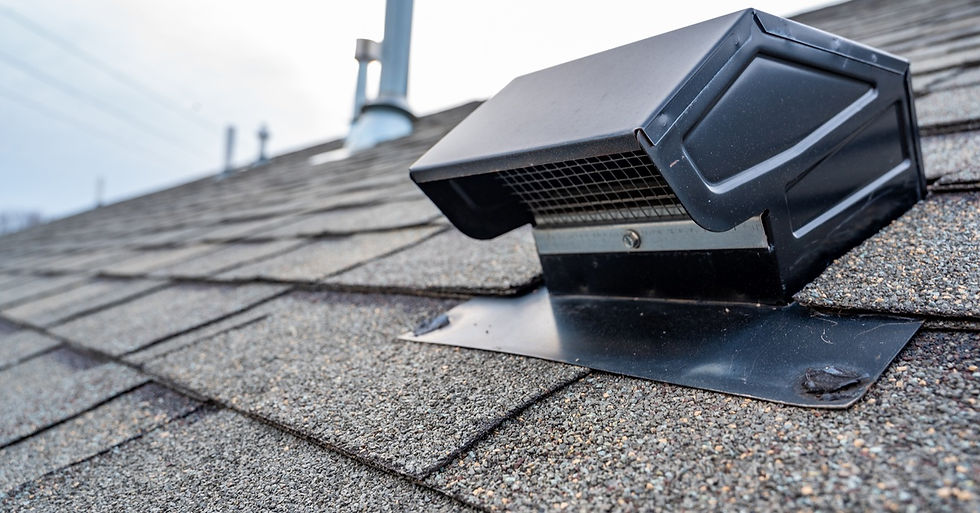
A roof can look perfectly healthy from the outside while problems develop underneath. Without steady airflow through the attic, excess heat or moisture can build up and quietly place unnecessary stress on roofing materials. These conditions can affect how well the roof performs long before obvious damage appears.
Understanding the importance of proper roof ventilation year-round can help Idaho homeowners protect their roofs through dramatic seasonal changes. Effective ventilation keeps air moving through the attic and creates a more stable environment beneath the roof. With the right ventilation system, homeowners can reduce preventable roof problems while supporting long-term performance.
Why Roof Ventilation Matters
Proper roof ventilation lets fresh air enter the attic and warm air exit. This steady airflow helps the home breathe without forcing the HVAC system to work harder. It also protects the roof deck, insulation, and shingles from avoidable damage.
A balanced system includes intake vents and exhaust vents. Intake vents usually sit near the lower edge of the roof, often at the soffits. Exhaust vents sit higher on the roof and release trapped heat and moisture.
Together, these components keep the attic closer to the outdoor temperature. That balance supports year-round comfort and helps the roof last longer.
How Poor Ventilation Affects Your Roof
Poor ventilation traps heat and moisture inside the attic. During the summer, that trapped heat can bake the underside of the roof deck and shorten the life of shingles. During the winter, moisture can collect in hidden areas and create bigger problems.
Over time, homeowners may notice curling shingles, musty odors, rising energy bills, or uneven indoor temperatures. These signs can point to airflow problems above the living space. A roof may look fine from the ground while ventilation issues develop underneath.
Moisture creates the biggest concern. When humid air has nowhere to go, it can soak insulation and weaken wood materials. That damage often spreads quietly before homeowners realize something has gone wrong.
Summer Heat and Attic Airflow
Idaho summers can bring intense sunlight and high attic temperatures. Without enough ventilation, attic heat can radiate down into the living areas. The air conditioner then has to run longer to maintain a comfortable indoor temperature.
Proper ventilation moves hot air out before it builds up. This airflow can help reduce strain on cooling equipment and improve comfort in upstairs rooms. It also helps shingles avoid extreme heat exposure from below.
Hot attic air can also affect stored items, electrical components, and insulation performance. A well-ventilated roof system helps protect more than the visible exterior. It supports the entire home from the top down.

Winter Moisture and Ice Concerns
Winter creates a different set of ventilation challenges. Warm air from inside the home can rise into the attic and carry moisture. If that air gets trapped, condensation can form on cold surfaces.
This moisture can dampen insulation and contribute to mildew growth. It can increase the risk of ice-related roof problems when heat collects unevenly beneath the roof surface. Proper ventilation helps reduce these risks by keeping attic temperatures more consistent.
Ventilation does not replace insulation, but both systems work together. Insulation reduces heat transfer from the living areas, while ventilation removes excess heat and moisture from the attic. Homes need both for reliable year-round performance.
Signs Your Roof May Need Better Ventilation
Homeowners do not need to sit in the attic to spot every warning sign. Some symptoms show up inside the home, while others appear on the roof or near the eaves. Catching issues early can help prevent bigger repair costs later.
Common signs of poor roof ventilation include:
Hot, stuffy upstairs rooms during summer
Musty smells near ceilings or attic access points
Shingles that curl, crack, or age unevenly
Excess moisture or frost inside the attic
Peeling paint near rooflines or upper walls
Higher heating or cooling bills without a clear cause
Visible mold, mildew, or dark staining on attic materials
Any of these signs can point to ventilation concerns. A professional inspection can confirm whether the issue comes from airflow or a combination of factors.
How Ventilation Supports Energy Efficiency
Proper ventilation can help a home use energy more efficiently. In summer, attic airflow reduces heat buildup that can strain cooling systems. In winter, moisture control helps insulation perform better.
Wet or compressed insulation loses effectiveness. When attic moisture builds up, insulation can struggle to hold conditioned air where it belongs. Ventilation helps preserve that insulation by reducing damp conditions above the ceiling.
Energy efficiency also depends on windows, doors, siding, and roofing materials. However, ventilation plays a key role because the attic affects the entire home envelope. Homeowners who plan exterior upgrades should consider airflow as part of the larger system.

Why Professional Evaluation Matters
Roof ventilation requires more than adding a few vents. A professional looks at the full picture to recommend the right approach and help homeowners choose the right solution.
Experienced roofers in Boise can determine whether a home needs improved intake, better exhaust, blocked-vent correction, or roofing repairs. They can also check whether ventilation issues have already affected other parts of the house. That insight helps homeowners avoid guesswork.
Every home has different needs. Roof pitch, attic layout, age, and previous renovations all affect the right ventilation strategy. A trusted contractor can explain the options clearly and recommend practical next steps.
Ventilation and Long-Term Roof Value
A roof replacement or repair should protect the home for years, not just improve curb appeal. Proper ventilation supports that goal by reducing avoidable stress on roofing materials. It also helps homeowners get more value from their investment.
Shingles often perform better when heat and moisture stay under control. Wood decking also lasts longer when it stays dry and stable. Even the best roofing materials can struggle when the attic environment works against them.
Good ventilation helps prevent premature wear. It also gives homeowners more confidence that the roofing system can handle Idaho’s changing seasons. For many homes, ventilation improvements offer a smart way to protect both comfort and property value.
How Treasure Valley Exteriors Can Help
Treasure Valley Exteriors helps homeowners make informed decisions about roofing and exterior improvements. Our team understands how Idaho weather affects roofing systems, attic airflow, siding, windows, and doors. That broad exterior knowledge helps homeowners address the full picture, not just one isolated issue.
A proper roof evaluation can reveal whether ventilation contributes to comfort problems or early roof wear. Homeowners can ask questions, review options, and choose the solution that fits their home’s needs. With one team that handles a wide range of exterior services, the process can feel more straightforward.
Protect Your Roof in Every Season
Proper roof ventilation matters year-round. It helps manage heat, control moisture, protect insulation, and extend the life of roofing materials. When airflow works correctly, the whole home benefits.
Homeowners who notice hot rooms or attic moisture should not ignore those signs. A professional inspection can identify the cause and provide a clear path forward. Contact Treasure Valley Exteriors to schedule a roofing evaluation and learn how better ventilation can support a stronger, healthier home year-round.

Comments