
How To Budget for Long-Term Exterior Improvements
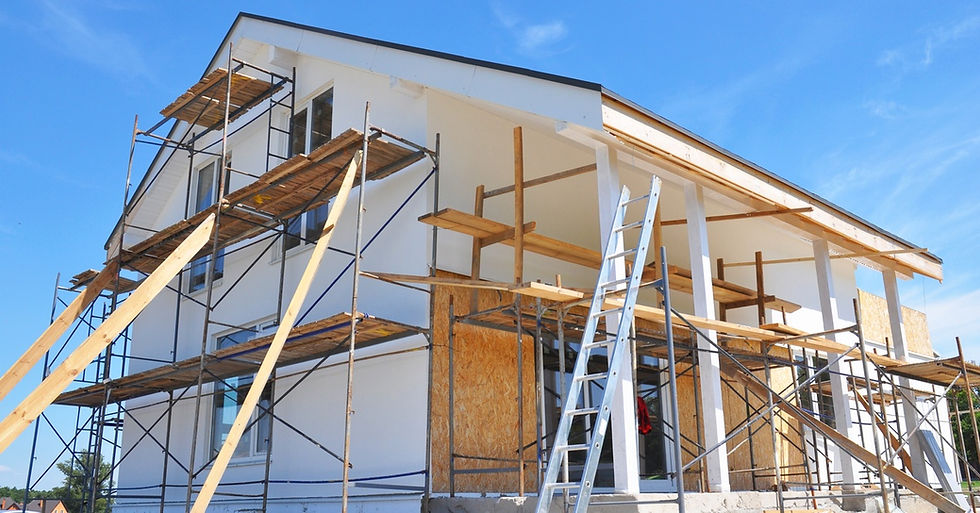
A home’s exterior rarely needs every major improvement at once. Roofs, siding, windows, doors, gutters, and paint age differently, giving homeowners a chance to plan instead of reacting to every project as an emergency. A long-term exterior budget can make larger upgrades more manageable while helping protect the home from avoidable damage.
The key involves knowing what needs attention first and creating a realistic plan for the years ahead. With the right approach, homeowners can budget for long-term exterior improvements and adjust priorities as conditions change.
Start With a Complete Exterior Assessment
Before setting aside money for specific projects, take a close look at the entire exterior. Check the roof, siding, windows, doors, gutters, trim, and paint for visible wear or damage. An inspection can reveal smaller concerns that may grow into expensive problems when homeowners ignore them.
Consider the age of each exterior component as well. A roof nearing the end of its expected service life deserves more attention than relatively new siding with no visible problems. Keep installation dates and contractor notes together whenever possible.
Separate Immediate Needs From Future Projects
Not every exterior improvement carries the same urgency. Active leaks, loose roofing materials, damaged siding, failing windows, or drainage problems may threaten the home and require faster action. Cosmetic concerns usually allow more time for planning and saving.
Sorting potential projects into a few categories can make priorities easier to manage:
Address now: Damage or deterioration that could worsen quickly.
Plan soon: Aging materials that still function but show noticeable wear.
Save for later: Cosmetic upgrades without immediate performance concerns.
Reevaluate annually: Components that remain functional but require monitoring.
This approach prevents an appealing cosmetic project from consuming money that a critical repair may need.
Build a Multi-Year Improvement Timeline
Once priorities become clear, place likely projects on a rough timeline. Homeowners might expect one improvement within the next year, another in three years, and a larger replacement several years later. Exact timing can change as weather and household priorities shift.
Review the timeline at least once each year and after significant storms. Move projects forward when deterioration accelerates, or delay them when materials remain in good condition. Long-term planning should guide decisions rather than lock homeowners into dates that no longer make sense.

Research Realistic Project Costs Early
A useful budget needs realistic numbers. Online averages can provide general context, but actual project costs depend on the home and the project's overall scope. Requesting estimates before a project becomes urgent gives homeowners a clearer savings target.
For homeowners considering exterior renovations in Eagle, ID, local estimates can provide more relevant information than broad national pricing guides. Ask contractors what the estimate includes, which materials fit the project, and whether related repairs could affect the scope. Clear estimates help prevent homeowners from building a savings plan around incomplete numbers.
Revisit estimates as the anticipated project date approaches. Material and labor costs can change, especially when several years separate the initial planning stage from construction. Updated pricing keeps the budget useful and reduces last-minute financial surprises.
Create a Dedicated Exterior Improvement Fund
After estimating future costs, turn those numbers into a regular savings goal. A separate exterior improvement fund can keep project money distinct from everyday spending and other household priorities. Divide an estimated project cost by the number of months before the anticipated work to establish a starting monthly contribution.
Homeowners do not need a perfect prediction for this strategy to help. Prices and project conditions can change over several years, so build flexibility into the savings goal. Review contributions periodically and adjust them as estimates or timelines change.
A dedicated fund also creates options when an exterior problem develops earlier than expected. Instead of starting from zero, homeowners may already have money available for an inspection, repair, or larger project.
Prepare for Repairs That Appear During a Project
Some exterior problems remain hidden until crews remove old materials. Contractors may uncover damaged roof decking, deteriorated sheathing behind siding, or compromised materials around a window or door opening. These discoveries can expand the project even when the original estimate carefully covered visible work.
A contingency amount gives homeowners room to handle legitimate repairs without disrupting the entire financial plan. Older homes or properties with previous water problems may carry more uncertainty than newer homes with consistent maintenance records.
Ask the contractor which hidden conditions commonly appear during the type of work under consideration. That conversation can help homeowners prepare for reasonable possibilities without assuming that every project will encounter major complications.
Consider Project Timing and Related Work
The order of exterior improvements can affect both costs and finished results. Homeowners planning roof, gutter, siding, window, or painting work should ask whether one project needs to happen before another. Proper sequencing can reduce the chance of disturbing recently completed materials.
Combining related projects may also make sense in some situations, but bigger does not automatically mean better. Compare the financial impact of completing work together against spacing projects over several years. Consider available savings, financing costs, project urgency, and how the improvements interact.
Planning also gives homeowners more time to evaluate material options and contractor availability. An emergency leaves fewer choices, while a scheduled project gives you time to compare estimates and prepare the property before work begins.

Compare Long-Term Value, Not Just Price
A low estimate can look attractive when planning an expensive exterior project. However, price alone does not show material quality, installation standards, warranty coverage, project scope, or the contractor’s approach to service. Compare written estimates carefully and confirm that each company has priced similar work.
Think about ongoing ownership costs as well. A material that requires frequent maintenance may cost less initially but demand more spending over time. Another option may cost more upfront while reducing future maintenance needs.
Homeowners should weigh these tradeoffs according to their plans for the property and available budget. The goal should be to choose an option that fits both current finances and reasonable long-term expectations, rather than automatically selecting the lowest initial price.
Keep Maintenance in the Long-Term Budget
Major replacements receive plenty of attention, but routine maintenance can help homeowners protect those investments. Cleaning gutters, touching up vulnerable paint, checking sealant and addressing minor damage can keep small issues from spreading.
Include routine maintenance as a recurring part of the household budget rather than treating every task as an unexpected expense. Consistent upkeep also makes it easier to notice changes before they develop into larger repairs.
Keep simple records of completed maintenance and exterior projects. Note dates, materials, warranty information, and areas that need another inspection later. Photos can also help track gradual changes and provide useful background when a contractor evaluates future work.
Make Long-Term Exterior Planning More Manageable
Budgeting for long-term exterior improvements works best as an ongoing process rather than a one-time calculation. Start with the home’s current condition, prioritize work by urgency, and build savings around a flexible timeline. Revisit the plan as the property ages and household needs change.
Treasure Valley Exteriors helps homeowners throughout the Treasure Valley plan projects involving your home’s exterior needs. Our Boise-owned and operated team focuses on clearly explaining recommendations so homeowners can make informed decisions about their properties.
Homeowners can request a free quote when they are ready to price an upcoming project and create a more accurate long-term budget. With thoughtful planning today, you can protect your home and prepare for exterior improvements with greater confidence in the years ahead.


Comments